What to Avoid When in Bali?
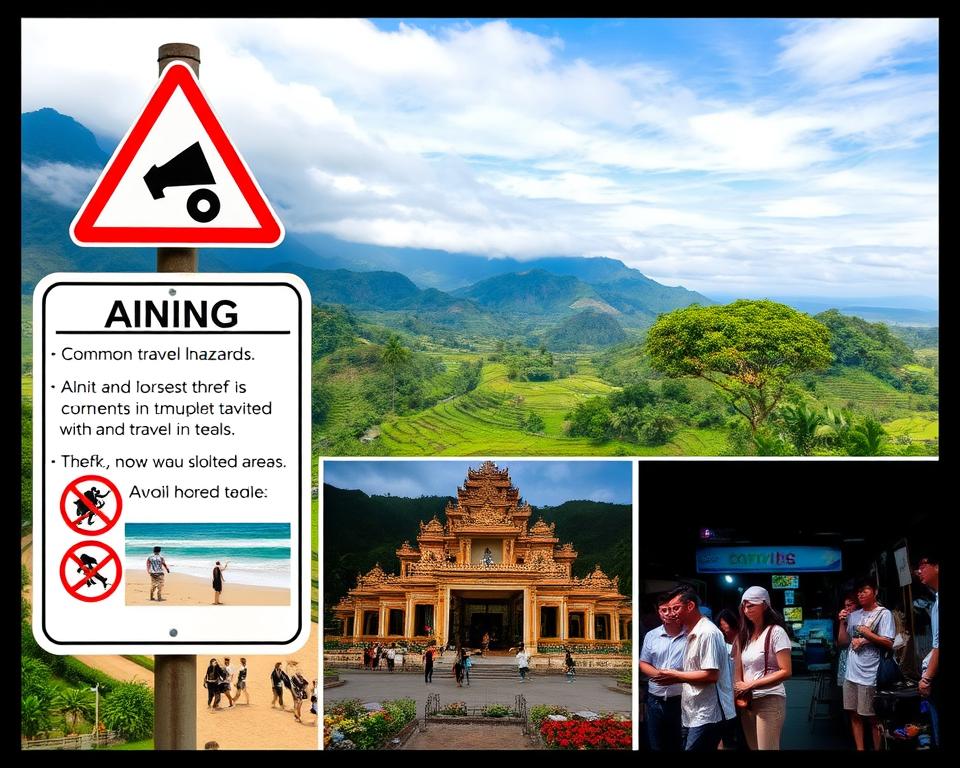
Are you planning a trip to Bali? It's a beautiful island but has some things to watch out for. Don't have unrealistic hopes at popular and respect local customs. Let's look at what to avoid for a great trip.
Key Takeaways- Watch out for stray dogs and keep your stuff safe to avoid theft1
- Go beyond Kuta for a real Bali feel1
- Choose motorbikes under 50CC if you don't have a license1
- Don't drink tap water to avoid "Bali belly"2
- Always wear a helmet on scooters for safety2
Understanding Balinese Culture and Customs
Visiting Bali means knowing and respecting the local culture and traditions3. About 90% of people in Bali follow Hinduism. They have over 4500 temples for daily rituals called Odalan3.
The island's dances are famous worldwide. They are divided into sacred, semi-sacred, and entertainment dances3.
Importance of Respect in Local TraditionsThe Balinese are known for their kindness. But they also deeply follow their religion and culture4. Bali is mostly Hindu, unlike the rest of Indonesia. People here are usually very forgiving, but some are changing their views because of tourists4.
It's important to not step on offerings on the ground. These are called canang sari. Respecting local customs is key for a good visit5.
Dressing Appropriately in TemplesWhen visiting temples, dress modestly4. You need to wear the right clothes to enter the inner parts of temples. Public nudity, affection, and bad dressing are not allowed5.
Don't take flash photos and respect these places. Following these rules makes your visit to Bali better5.

Bali's culture is a big part of its beauty. Knowing and respecting these traditions makes your visit better4. By showing respect, you can connect more with the locals4.
Common Tourist Traps to Look Out For
When you visit Bali, watch out for tourist traps6. Many places are too crowded, like Bali Gates of Heaven and Uluwatu Temple. You might wait hours and see too many people, ruining the fun6.
Bali also has pollution problems. Beaches are dirty from plastic and smoke from cars. This makes it hard to breathe, unlike cleaner cities like Bangkok6.
Be careful of places like Uluwatu Temple and Monkey Forest. They're too full of tourists. People just take photos, not really experiencing the culture or religion6.
Overpriced Souvenir ShopsWatch out for expensive souvenir shops in Bali6. Vendors might force you to buy sarongs, even though they should give them for free. This is because tourists don't know the local customs6.
Staying in Bali can be cheap. You can find villas with pools for under $100 a night. But, the real experience might not be as good as the pictures on social media6.
Fake Tourist Guides7 Bali is the most visited island in Indonesia7. Ridesharing like Grab is banned in some areas. Some drivers might ask for extra money, up to triple the fare7.
Blue Bird Group taxis are safe. But, other companies might pretend to be them to trick tourists7. ATMs in Bali have fair fees, sometimes no fees at all. Be careful of fake tour guides who might scam you.
Common Bali Scams
Description
7Smiling women on popular beaches in Bali offer various goods, services, and activities
These women may be part of a larger scam operation, selling dangerous or illegal items.
7Men on Bali beaches sometimes sell dangerous items like real crossbows and blowguns
These items are often illegal and can pose a serious safety risk to tourists.
7Popular temples and photogenic places in Bali have hustlers at entrances
These hustlers may try to charge excessive fees or convince tourists to buy unnecessary items.
7Parking scams in Bali often occur at popular tourist spots
Tourists may be charged exorbitant fees for parking or have their vehicles towed without their knowledge.
7Motorbike rental scams are frequent in Bali and neighboring Lombok
Tourists may be charged hidden fees or have issues with the condition of the rented motorbikes.
7Bali police strictly enforce a helmet policy and may target tourists on motorbikes for fines
Tourists should always wear a helmet when riding a motorbike to avoid being fined.
7Fake police scams exist in Bali, particularlly on roads leading to popular tourist destinations
Tourists may be stopped by individuals posing as police officers and asked for bribes or fines.
8 Bali gets the most visitors in Indonesia8. Skimming is a big problem at ATMs8. Taxi drivers often overcharge and run the meter fast8.
Blue Bird Taxi Group is trusted, but others might copy them8. Rideshare prices are set by drivers because of cash payments8. Police might ask for bribes on scooters8. Rental scooter scams are common in Bali and other islands8. Some scammers demand fees for closed attractions.

Knowing about these traps can help you enjoy Bali without trouble. Be careful, choose trusted vendors, and respect local customs. This way, your trip will be safe and unforgettable.
Environmental Considerations
Bali is a popular place for tourists, but it faces big environmental problems. About 50% of Bali's economy comes from tourism9. This has hurt the island's natural resources, like water.
More than half of Bali's water is used by tourists. This is bad for the Subak system9. It's been keeping Bali's water safe for over a thousand years.
Millions of people visit Bali every. Most go to South Bali's beaches. This has damaged the island a lot10.
Avoiding Single-Use PlasticsPlastic waste is a big problem in Bali. Only about 10% of plastic is recycled9. Travelers can help by not using plastic water bottles.
Instead, use reusable bottles or filtered water9.
Respecting Wildlife and NatureBali has a lot of wildlife, like the Sacred Monkey Forest. Visitors should be careful not to harm the environment. Don't bring things that monkeys might take, and don't leave trash behind9.
Bali's local councils, called "Banjars," help with sustainability10.
By being careful and respectful, travelers can help Bali. A $10-15 tourist tax could help manage visitors and improve the island9. Spreading tourists around the island can also help10.
 "Revisiting scientific knowledge of the hydrological cycle is proposed for sustainable water management in Bali."11
Travelers can make a big difference by being mindful of their impact. Supporting sustainable tourism helps keep Bali beautiful for the future91011.
Traffic and Road Safety Tips
Driving in Bali can be tough, even for first-timers. The roads are narrow and winding, and traffic is heavy. But, with some prep and knowledge of local driving, you can travel safely and enjoy your trip12.
Understanding Local Driving CustomsRemember, in Bali, drivers use the left side of the road. Also, honking is used to signal or warn others, not to be aggressive12.
Using Reliable Transportation ServicesScooters are popular in Bali, but they're not safe for beginners. Use ride-hailing apps like Gojek or Grab for a safer ride12. Renting a car is another option, but watch out for traffic jams, mainly during busy times13.
Try to travel during less busy times, like between 9:30 AM and 4:30 PM12. Google Maps can also help find ways to avoid traffic12.
Vehicle Type
2019
2020
2021
Car
449,541
460,909
465,282
Motorbike
3,718,636
3,811,957
3,877,595
Bus
9,088
9,205
8,911
Truck
153,722
156,624
159,003
Total Vehicles
4,330,987
4,438,695
4,510,791
The number of vehicles in Bali keeps growing, making traffic worse14. More cars and tourists are putting pressure on the roads13.
Stay safe by checking traffic news or apps12. Knowing local driving rules and using safe transport helps you enjoy Bali's roads13.

Responsible Social Media Use
When you visit Bali's night markets, think about your social media. Bali is a special place that needs our respect. This is true when we share photos online15.
Asking for Permission for PhotosAlways ask before taking photos, like of people or sacred places. The Balinese culture values privacy and modesty. Be careful with your photos16.
Avoiding Oversharing Personal InformationDon't share too much about yourself or where you are. Bali has seen problems because of this16. Keep your location and plans private for your safety and others.
Remember, Bali travel warnings tell us to use social media wisely. By being respectful and safe, we can share our Bali adventures well. This way, we celebrate Bali's culture and heritage16.
 "The Balinese administration has issued official guidelines for visitors to act responsibly."16
When you go to the Kuta night markets, remember these tips. They help you share your Bali experiences with respect and care15.
Health and Safety Precautions
Visiting Bali is exciting, but safety comes first. Make sure to drink only bottled water17. This helps avoid "Bali belly".
Tap water can have bad bacteria. It's best to use bottled water for brushing teeth too.
Before you go, get the right vaccinations. Bali has volcanic eruptions and earthquakes17. Mosquitoes here can spread diseases like malaria and dengue fever17.
Talk to your doctor about shots like Typhoid and Tetanus-Diphtheria18. This adds extra safety.
If you're worried about your stomach, choose safe food places. If you get sick, see a doctor fast. Handwashing and sanitizer are key, even more so with COVID-1917.
Getting travel insurance is smart. It covers medical help and more18. Claims often include accidents and lost items18.
Bali is a great place to visit, but safety is important. Follow these tips to have a safe and fun trip.
Scams and Fraud to Be Aware Of
Bali is mostly safe for tourists, but it's good to know about scams. Bali has low crime rates, but visitors need to be careful. This way, they won't fall for tricks aimed at travelers.
Currency Exchange Red FlagsWhen you exchange money, use trusted places. Always count your cash before leaving.
https://thingstodoinkutabali.com/what-to-avoid-when-in-bali/


Comments
Post a Comment